 PIRANHA
Sediment buildup is one of those issues that often stays out of sight—and out of mind—until it starts causing real problems. For industrial sites that rely on water systems, wastewater ponds, or settling basins, sediment accumulation can quietly reduce efficiency, increase maintenance costs, and even create compliance risks. That’s why proactive sediment removal and sediment management should be a core part of any long-term site maintenance plan.
Whether you’re overseeing a wastewater treatment facility, a mining operation, or an industrial plant with runoff ponds, understanding why sediment matters—and how to manage it—can save time, money, and headaches down the line.
What Is Sediment and Why Does It Build Up?
Sediment is made up of solid particles like sand, silt, organic material, and industrial byproducts that settle at the bottom of ponds, tanks, and water systems. Over time, these materials naturally accumulate due to gravity, water flow, and operational processes.
In industrial environments, sediment buildup tends to happen faster because of:
- High volumes of wastewater discharge
- Runoff from processing areas
- Byproducts from manufacturing or mining
- Limited water circulation in ponds and basins
Without regular sediment removal, these materials can begin to interfere with daily operations and system performance.
How Sediment Impacts Industrial Operations
Excess sediment doesn’t just take up space—it actively works against your systems. One of the most immediate impacts is reduced capacity. As sediment fills in wastewater ponds or holding basins, there’s less room for water, which can increase overflow risks during heavy use or storm events.
Sediment can also damage equipment. Pumps, pipes, and valves exposed to abrasive materials wear out faster, leading to unplanned downtime and higher repair costs. In wastewater systems, sediment can disrupt biological treatment processes or create odors and water quality issues.
From a regulatory standpoint, unmanaged sediment can lead to compliance problems. Many sites are required to maintain specific pond capacities or discharge standards. Neglecting sediment management can put permits and inspections at risk.
The Role of Industrial Dredging
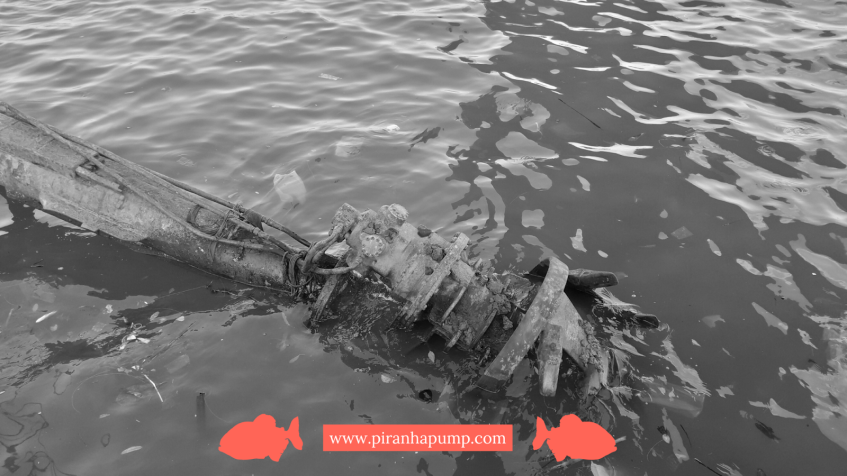
Industrial dredging is one of the most effective ways to remove accumulated sediment without shutting down operations. Using specialized dredging equipment, sediment can be safely extracted from ponds, lagoons, and basins while the system remains operational.
For wastewater applications, a wastewater pond dredge or sewage dredge is designed to handle high-solid content and organic material efficiently. These systems allow operators to target problem areas, remove sediment precisely, and restore pond capacity without draining the entire basin.
Dredging also supports better long-term site maintenance by preventing sediment from becoming compacted and harder to remove later.
Why Proactive Sediment Management Matters
If you wait until sediment becomes visibly undeniable, you’ll be forced into urgent action (which more often than not comes with a higher price tag). Managing sediment proactively allows site managers to plan dredging schedules, budget appropriately, and avoid emergency downtime.
Regular sediment removal:
- Extends the life of ponds and infrastructure
- Reduces strain on pumps and mechanical systems
- Improves water quality and system performance
- Supports regulatory compliance
By treating sediment removal as routine maintenance rather than a last-resort fix, industrial sites stay more predictable and manageable.
Equipment Considerations: Pumps and Platforms
Choosing the right dredging setup makes a significant difference in efficiency and safety. Many industrial dredging operations rely on a pump floatation platform, which allows dredge pumps to operate directly on the water surface. We take pride in providing these for your projects because they provide provide stability, flexibility, and easier access to different areas of a pond or lagoon.
A floating setup also minimizes the need for heavy shoreline equipment and reduces disturbance to surrounding infrastructure. For sites with limited access or soft ground conditions, pump flotation platforms are often the most practical solution.
Matching the dredge pump, platform, and sediment type is key to maximizing performance and minimizing wear.
Building Sediment Removal into Your Maintenance Strategy
Sediment is part and parcel of the industrial water system landscape—but costly problems don’t have to be. By prioritizing sediment removal and investing in the right industrial dredging equipment, site managers can protect their infrastructure, control costs, and keep operations running smoothly.
Whether you’re managing a wastewater pond, a processing basin, or a large industrial site, a consistent approach to sediment management is one of the smartest investments you can make in long-term site maintenance. Contact us today for help securing your next investment.